Outward Bound USA Home
Employment FAQs
Thinking about joining Outward Bound? Start here for helpful answers about our roles, hiring process, and how we support our staff.
Can’t find the answer you’re looking for? Send us an email at [email protected]

Why do people choose to work for Outward Bound?
Our staff report high satisfaction with OB as an employer (76% of staff are satisfied with OB as a place to work!), and find value in Impactful Work, Community & Connectivity, Professional Growth, Quality Leadership, and Fair Rewards.
What does the hiring process look like for Program Staff (instructors and logistics)?
Most schools hire on a seasonal timeline, with the majority of field staff hiring occurring in fall and winter for the following summer.
While details vary by school, the hiring process generally includes:
- Online application (resume required; cover letter and technical skills log position dependent)
- Application review by hiring staff
- Phone or video interview
- Final interview (position dependent) plus reference checks
- Offer and onboarding steps, including background checks
I am interested in roles at different schools – do I need to apply to each school?
Yes. Each school has a different hiring process and timeline. You can let the hiring team know you have applied at another school and they will work with you to ensure you get the best fit for your skills and career path.
What are the minimum qualifications to become an Outward Bound instructor?
While there is no single path to becoming an Outward Bound Instructor, successful candidates typically share the following:
- A strong desire to work with youth in an outdoor setting
- Alignment with Outward Bound’s mission, values, and commitment to Access and Belonging.
- Experience leading, teaching, or facilitating groups, youth experience a plus (outdoors or otherwise)
- Comfort living and working in outdoor environments for extended periods
- Physical and emotional stamina for long, demanding days
- Strong communication, judgment, and teamwork skills
- CPR and First Aid Wilderness or First Responder Certification
What is the minimum age to become an Outward Bound instructor?
In most cases, Outward Bound Instructors must be at least 21 years old due to safety, supervision, and driving requirements.
Some schools with frontcountry or challenge course programming (such as NYCOBS, CSIOBS, and the OBCA Challenge Course) may hire Instructors who are 18 or older.
Occasionally, a school may consider an exception if an applicant will turn 21 shortly after the season begins, though this varies by school and role. Applicants under 21 are often encouraged to explore internships, apprenticeships, or support roles as a pathway into instructing.
I do not currently have my WFR, WFA or CPR Certifications. May I still apply to be an Instructor?
Yes. Many Outward Bound schools will consider applicants who do not yet hold required certifications.
If hired, you will be expected to obtain the appropriate certifications prior to your start date. Some schools offer:
- Discounted Wilderness First Aid (WFA) or Wilderness First Responder (WFR) courses
- On‑site or pre‑season certification opportunities
- Guidance on approved training providers
Common certification providers include:
- Wilderness Medical Associates (WMA)
- Wilderness Medical Institute (WMI / NOLS)
- SOLO Schools
- Landmark Learning
Specific certification requirements (WFA vs. WFR, CPR level) depend on the role and program area.
All instructors have cardiopulmonary resuscitation (CPR) and first aid certifications. Instructors who teach overnight courses are required to hold a Wilderness First Aid or Wilderness First Responder (WFR) certification. Instructors are trained in emotional first aid skills, based on recognized curricula such as Psychological First Aid (PFA) and Mental Health First Aid (MHFA). Some hold additional certifications related to other work experience, such as emergency medical technicians (EMTs), ski patrollers or mountain rescue team members. The purpose of these levels of training is to become generally knowledgeable about how the brain and the body work, learn to address problems with minimal resources, and to recognize when someone needs professional healthcare and begin an evacuation.
What should I do if I don't think I qualify now, but eventually want to work for Outward Bound?
Many Outward Bound instructors did not start out fully qualified. Common pathways include:
- Applying for an internship, or apprenticeship role
- Taking an Outward Bound course to experience the curriculum as a student
- Gaining experience with youth, teaching, or group facilitation
- Building technical outdoor skills through guiding, education, or personal expeditions
- Earning wilderness medicine or technical certifications
Outward Bound values growth, humility, and commitment. If this work resonates with you, there are many ways to build toward it.
Do you consider international applicants or sponsor visas?
Yes—some Outward Bound schools are able to hire a limited number of international applicants for student‑facing course roles, including Instructor, Lead Instructor, Course Director, and other instructional positions.
These opportunities are offered through a J‑1 Exchange Visitor visa in the Specialist category. This program is designed as a cultural and professional exchange and is not available for all roles or at all schools.
Visa availability varies by school, role, and year. Applicants who require visa sponsorship should carefully review individual job postings and timelines, as only certain positions are eligible and the number of placements is limited.
To read more about the Specialist visa and learn about the J-1 Exchange Visitor program, visit https://j1visa.state.gov/programs/specialist
Is staff training paid, and do I need to attend all of it?
Yes. Staff training is paid for instructional staff across the network.
All required trainings must be attended in full and are typically held in person prior to the season.
Training is a critical component of our risk management system. New Instructors receive extensive training in teaching and facilitation, risk management, judgment, decision making, conflict resolution and emergency procedures. After completing initial training, instructors work directly under experienced staff before being promoted to a Lead Instructor position. Lead Instructors receive continuing training and professional development annually.
Additionally, all Instructors must meet rigorous minimum technical requirements.
Instructors who lead longer expeditions hold navigation, campcraft, and emergency management qualifications
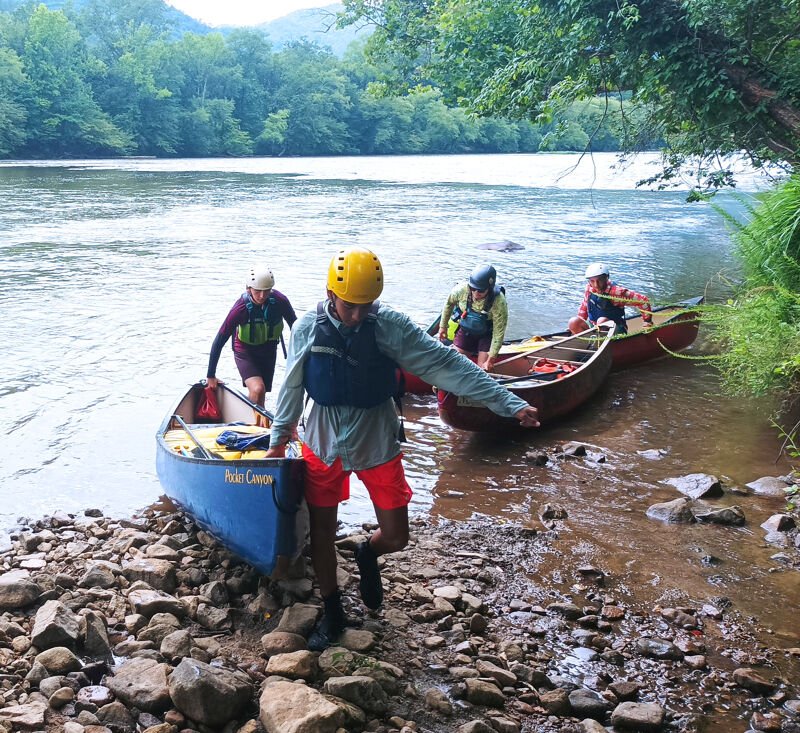
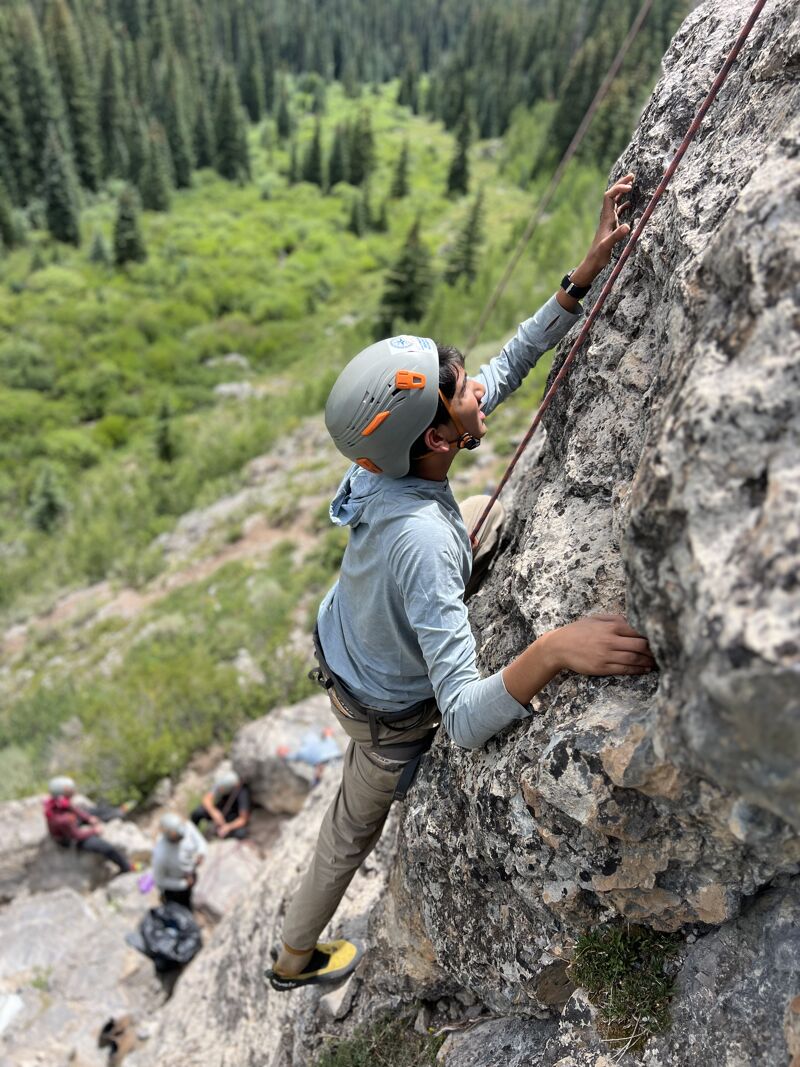
Instructors who teach rock or ice climbing, canyoning, mountaineering, canoeing, rafting or sea kayaking are trained and assessed according to a specific in-house qualification that is based on industry standard set by organizations such as the American Canoe Association (ACA), the American Mountain Guides Association (AMGA) and the Professional Climbing Instructors Association (PCIA).
Instructors who lead sailing courses hold a US Coast Guards Captain’s License and Lifeguard or Emergency Water Safety certifications.
Training may include:
- Technical skills
- Risk management and safety protocols
- Facilitation and teaching practice
- Access and Belonging and student support training
Training length varies by role and school, but full participation is required.
What compensation and benefits do instructional or logistics support staff receive?
Compensation varies by school, role, and experience level, but typically includes:
- Daily or per‑diem pay for days worked
- Pay increases with experience and progression
- Housing and meals provided while on course (and often during training)
- Access to professional development opportunities
- Workers’ compensation coverage
- Discounts on gear and certifications
Some schools offer additional benefits for long‑term or year‑round staff.
What is basecamp life like (housing, meals, amenities)?
Basecamp life varies by location but is generally communal, rustic, and community‑oriented.
Common features include:
- Shared housing (cabins, dorms, or shared rooms)
- Communal kitchens and meals or food access
- Bathrooms, showers, and laundry facilities
- Limited Wi‑Fi or cell service at some locations
When not on course, staff often use basecamp as a place to rest, connect with coworkers, and prepare for upcoming programs.
Can I bring significant others, family members or pets to basecamp?
Generally, pets are not allowed at Outward Bound basecamps.
Short visits from friends or family may be allowed only with prior approval and if space is available. Long‑term stays by significant others or family members are typically not permitted.
Policies vary by school and are dependent on housing capacity and program needs.
What is the typical progression and professional growth path?
Each Outward Bound course is supported by a team of staff responsible for program design, quality, and safety. Instructors are supported by Course Directors and Logistics Coordinators assigned to each course, as well as Program Supervisors who oversee operations and provide 24‑hour emergency response. Staff also have access to medical and mental health advisors as needed.
Outward Bound emphasizes growth for both students and staff. While every path looks a little different, a common progression may include:
- Intern or Apprentice
- Assistant Instructor
- Instructor
- Lead Instructor
- Course Director or other Program Leadership roles
It’s important to note that professional growth at Outward Bound is often non‑linear. Many staff move between roles, return for multiple seasons, specialize in certain programs, or step into different types of leadership over time.
Across roles and seasons, staff develop skills in leadership, facilitation, risk management, and education. Some go on to administrative, training, or leadership positions within Outward Bound, while others apply these skills in related fields beyond the organization.
Can I transfer between Outward Bound schools?
Not immediately. Outward Bound schools invest significant time and resources in training new staff. Schools ask instructors to commit to their chosen school for multiple seasons, often until reaching a Lead Instructor level. After that, transferring between schools may be possible, depending on experience, timing, and staffing needs.
Who do Outward Bound schools serve and what types of programs run?
Outward Bound is for young people who are ready to grow—outside their comfort zones, classrooms, and daily routine.
Outward Bound schools also serve:
- College‑age participants
- Adults and professionals
- Veterans
- Educators, nonprofits, and corporate groups
Programs may include:
- Day programs and ropes courses
- Multi‑day wilderness expeditions (backpacking, canoeing, sailing, mountaineering)
- Community‑based and urban programs
While each school has unique program areas, all share the same core mission: To spark lifelong growth through challenge—outside.
We facilitate adventurous learning, rooted in the outdoors, to unlock confidence, curiosity, and the skills to thrive with purpose.
Explore Careers at the Outward Bound School in Your Region