
 Outward Bound USA Home
Solo: It's Not As Scary As It Sounds
Outward Bound USA
“It is difficult today to leave one’s friends and family and deliberately practice the art of solitude, for an hour, or a day or a week. And yet, when it is done, I find there is a quality to being alone that is incredibly precious. Life rushes back into the void, richer, more vivid, fuller than before.” – Anne Morrow Lindbergh, Gift from the Sea
Solo is an instructor-supported pause in the wilderness—time to rest, reflect, and take in what you’ve learned.
Solo is one of the most memorable parts of an Outward Bound course—not because it’s scary, but because it’s quiet. Learn how Solo works, how instructors keep it safe, and why students value the chance to reflect in nature.
 Rest, reflect, and take it all in
Rest, reflect, and take it all in
Rest, reflect, and take it all in
Rest, reflect, and take it all in
Rest, reflect, and take it all in
Rest, reflect, and take it all in
Rest, reflect, and take it all in Solo, Explained: A Supported Pause in the Wilderness
How often do you have the chance, or take the time, to be alone in the natural world? To contemplate the vastness of sky, the mystery of a starry night? Do you ever notice the seasons gently turning, the subtle changes around you as days and weeks go by?
Today many of us move from house to car to work, hardly ever noticing the world around us. We lose something when we are constantly on the move. Solo is a time to stay in one place and just be.
Much of Outward Bound requires you to be an active member of your group, to work together to cook meals, set up shelters, navigate and travel through the wilderness. If your group goes rock climbing, you’ll work with the person on the other end of your rope. If you’re making a decision about navigation, you’ll need input from others. And so on.
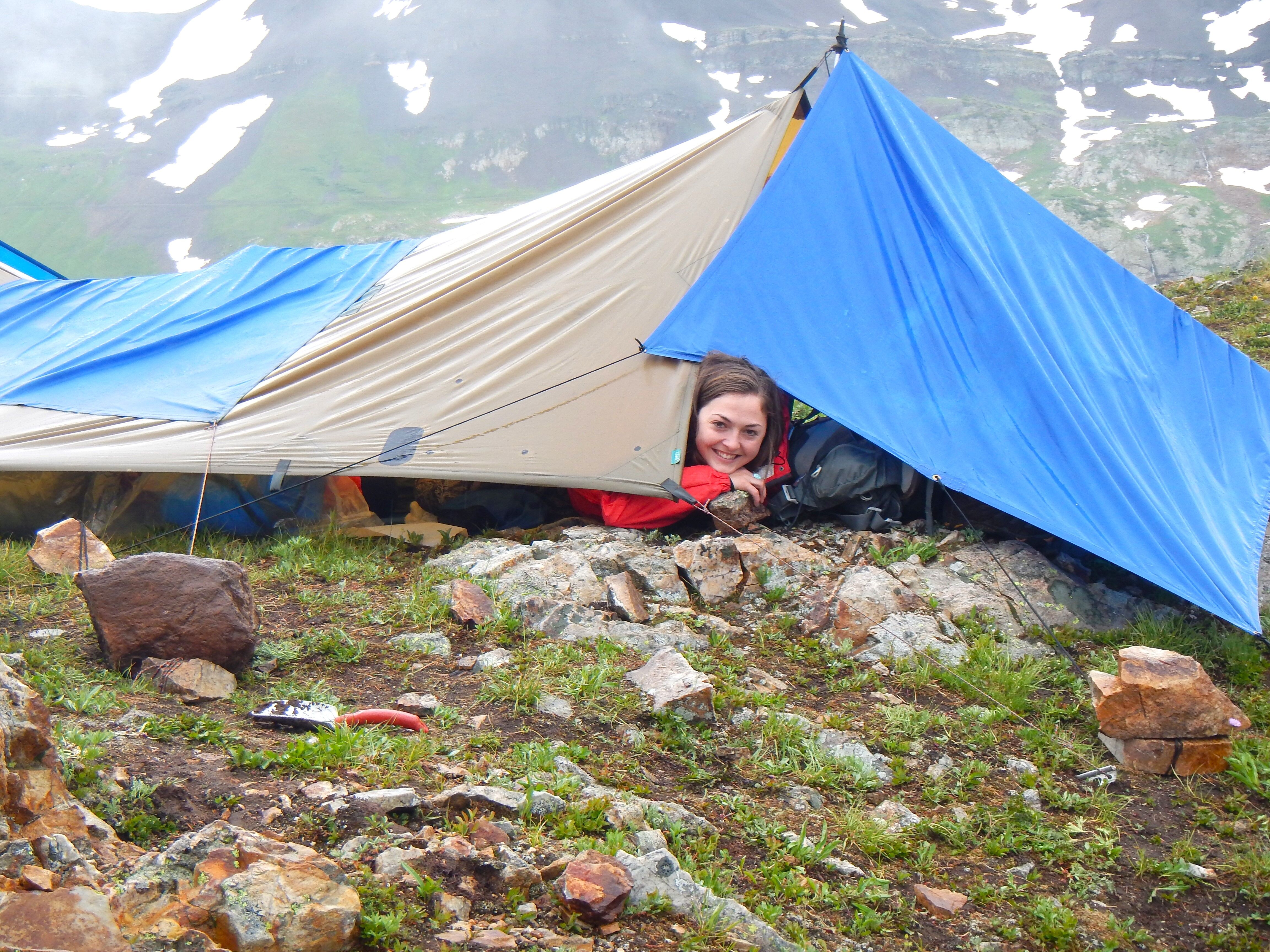
But on Solo, it’s just you.You don’t go anywhere; you set up a small shelter and your own little campsite. You have plenty of water and a simple ration of food. You have the chance to rest your body, write in your journal, ponder your life, with nowhere to go and not much else to do. Solo can be as short as two hours. On longer courses it’s often overnight or even two nights. It’s a time for reflection and rejuvenation, a chance to integrate your Outward Bound experience before you go back home.
It’s Not About Survival
Some people find the idea of Solo scary. This is completely natural. Few of us have ever spent a night in the wilderness alone.
Outward Bound Instructors help quell the natural fears that arise. People who are more afraid might be located closer to the Instructor camp, where they can shout out if they need help. This calms their fears, and they are more able to relax and enjoy the Solo time.
Instructors give a full safety briefing before leaving students at their Solo sites. The briefing is a time for students to ask questions, understand the purpose of Solo and learn what they need to do and not do.
Solo takes place later on in an expedition, following days of exploring overcoming challenges and learning new skills. By then, most students are ready for both the physical rest and the time by themselves. They are accustomed to camping out and are familiar with their skills to be comfortable and safe. There’s no travel on Solo, no chance to get lost. It’s not a “survival” activity. It’s meant to be a time to stay in one place for reflection and rest.
The Power of Solo
“Solo was really important to me,” Taylor Sinason shared, a student who later became an Outward Bound Instructor. “Being alone, after I had done so much and learned so much was really powerful. After going through all these challenges, being removed from the life that was so familiar to me, being immersed for such a long time without distraction…Solo was a time for lot of reflection and revelation. I thought a lot about what comes next in my life. I had learned a lot about who I am, and what I stand on. Solo was really important in driving that home.”
Solo is a rare opportunity to be alone with your thoughts in a quiet and safe place, in the beauty of nature.
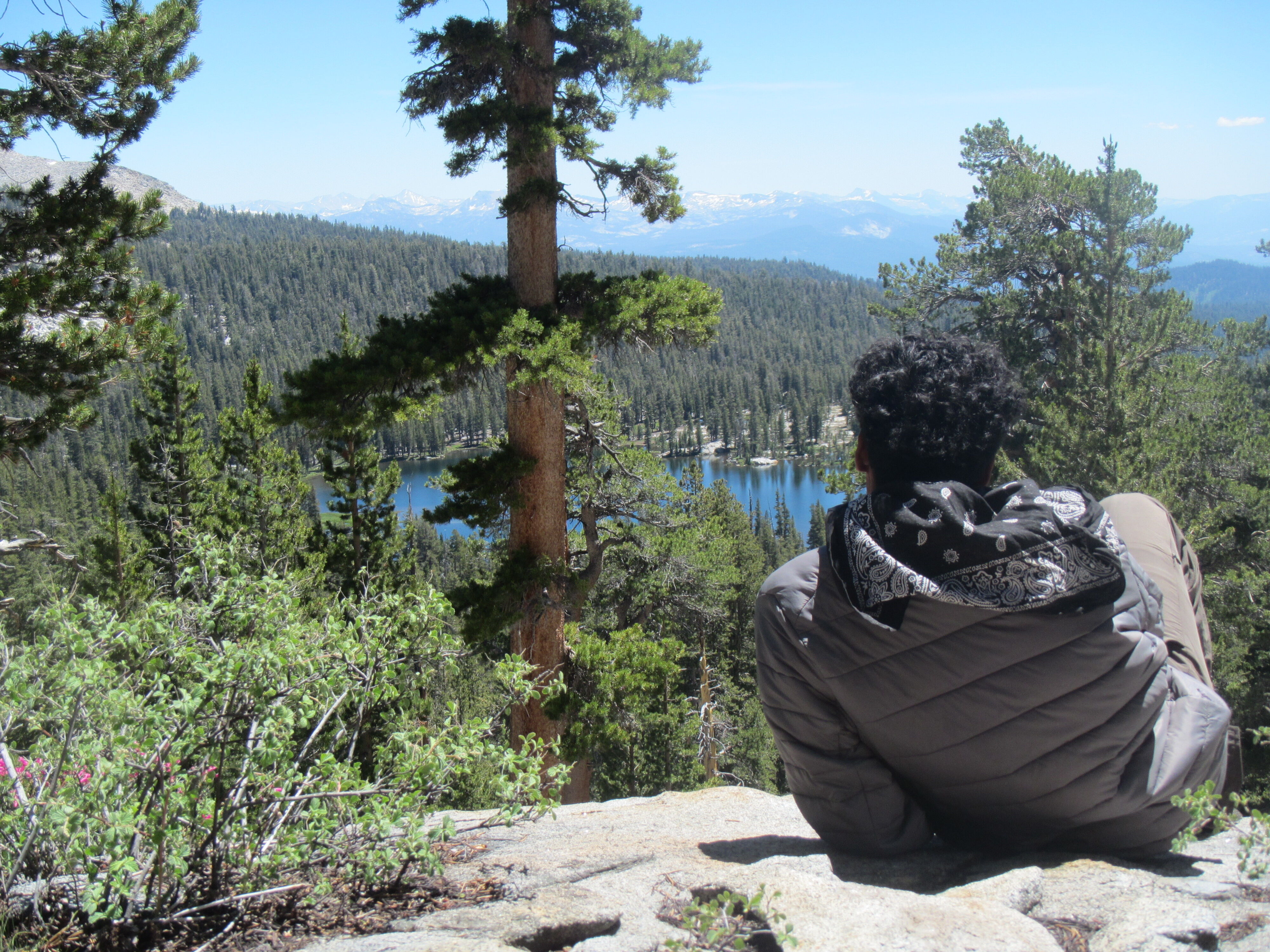
As an Instructor I have led many students to sweet little spots for them to make their Solo camp. Their stories of connection to their spot are touching. Almost every one of them had never done anything like Solo, and they learned things about themselves and the natural world that surprised them.
Many Outward Bound students treasure Solo. At the end of their course, they say it was one of the most powerful components. It’s very different from the rest of the expedition, a contrast to adventure, physical activity, busyness of camp life and working as a team. For some people, the Solo on their Outward Bound course might be the only time they ever camp alone in the wilderness, and that’s part of what makes it truly memorable.
About the Author
CJ Wilson’s career in outdoor education has taken her from Maine to Minnesota, and from the Sierra Nevada to Patagonia. A long-time Outward Bound instructor, she writes from her base camp in Asheville NC. She swatted a few bugs and wrote an article about her Outward Bound course while on Solo in Canyonlands. When not writing, she might be found working as a ranger in a national park, bicycle touring or hiking her favorite trails near home.


